Purchase satisfaction survey templates

Get immediate feedback on the purchase experience and gauge customer satisfaction.

StatFigure
Total purchase satisfaction templates15
Most-used templateNet Promoter Score survey
Short survey completion rate
(1-10 questions)
91.6%
Medium survey completion rate
(11-20 questions)
84.8%
Long survey completion rate
(21+ questions)
82.3%
Overall completion rate90.6%
Average question count8.2

The order shipped, the customer paid, and you still do not know whether checkout felt smooth or like a chore. A purchase satisfaction survey closes that gap while the experience is fresh. A purchase satisfaction survey asks buyers how the transaction went, from browsing through delivery, so you can fix friction before it costs you the next sale. These 15 templates cover the moments that shape repeat business: checkout, fulfillment, returns, and the post-purchase follow-up.

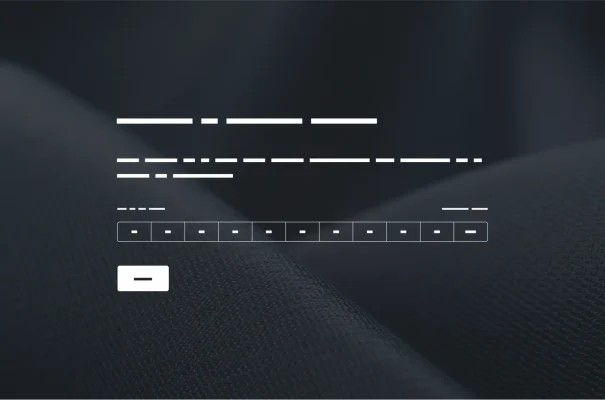
On SurveyMonkey, you trigger the survey at the moment of highest engagement. Send it by email, a web link, or an embedded form right after order confirmation, and reach buyers across any ecommerce platform rather than one storefront. The built-in Net Promoter Score (NPS) question rates how likely a buyer is to recommend you on a 0 to 10 scale, and sentiment analysis tags open-ended comments as positive, negative, or neutral, so a low score arrives with a reason attached.

These templates average 8.2 questions and complete at 90.6% overall. Short surveys of 1 to 10 questions finish at 91.6%; those past 21 questions drop to 82.3%. The survey score predicts completion before you launch, and reminders lift response rates among the buyers who did not answer the first time.

  1. Start from one of the 15 templates on this page, or open the Net Promoter Score survey template for a fast loyalty read.
  2. Set the trigger. Send the survey by email, web link, or embedded form right after order confirmation or delivery, while the transaction is fresh.
  3. Add the rating question that fits your goal, either the built-in NPS question for likelihood to recommend or a satisfaction scale for the checkout experience itself.
  4. Pair it with one open-ended follow-up. A score tells you something dipped; the comment tells you what to fix.
  5. Keep it under 10 questions. At 8.2 questions on average, most templates here sit in the band that completes at 91.6%.
  6. Launch and read results. The dashboard tracks the score over time, and sentiment analysis sorts the open-ended replies until the friction surfaces.
  • Right after checkout: Ask how easy the purchase was while the click-to-confirm flow is still in the buyer's memory.
  • After delivery or fulfillment: Measure whether the product and timing matched the promise, the gap that drives the most returns.
  • Following a return or refund: Catch how a recovery interaction landed, since a well-handled return often earns more loyalty than a clean sale.
  • For ecommerce and Shopify attribution: Ask how buyers found you, then connect that answer to the purchase to sharpen channel spend.
  • For post-transaction NPS: Run an NPS read after the buy to track loyalty by cohort over time, not just one-off satisfaction.
  • Customer experience managers: They own the post-purchase feedback program and care most about cutting cart abandonment, smoothing checkout, and protecting repeat purchase rates.
  • Retail and ecommerce marketers: They use post-purchase data for attribution, product feedback, and campaign tuning, connecting what buyers say to what they did.
  • Product managers: They watch checkout-flow friction and want specific signals on where buyers stall.
  • Small ecommerce teams: They want a ready-made template and a score they can read without a research background.
  • Send within 24 hours: Post-purchase memory fades fast, so trigger the survey right after confirmation or delivery to catch the real reaction.
  • Keep it to 10 questions: Surveys of 1 to 10 questions complete at 91.6% against 82.3% past 21, so cut anything that does not change a decision.
  • Always pair the score with a comment: A rating alone does not explain what went wrong; one open-ended follow-up plus sentiment analysis surfaces the friction.
  • Check the survey score before launch: It predicts completion and flags weak questions, so you fix the form before any buyer sees it.
  • What are the best questions for a post-purchase survey?
  • When should I send a post-purchase survey?
  • How do I get more customers to finish my purchase satisfaction survey?
  • How is a post-purchase survey different from a general satisfaction survey?
  • Can I run NPS on a post-purchase survey?

NPS, Net Promoter & Net Promoter Score are registered trademarks of Satmetrix Systems, Inc., Bain & Company and Fred Reichheld.